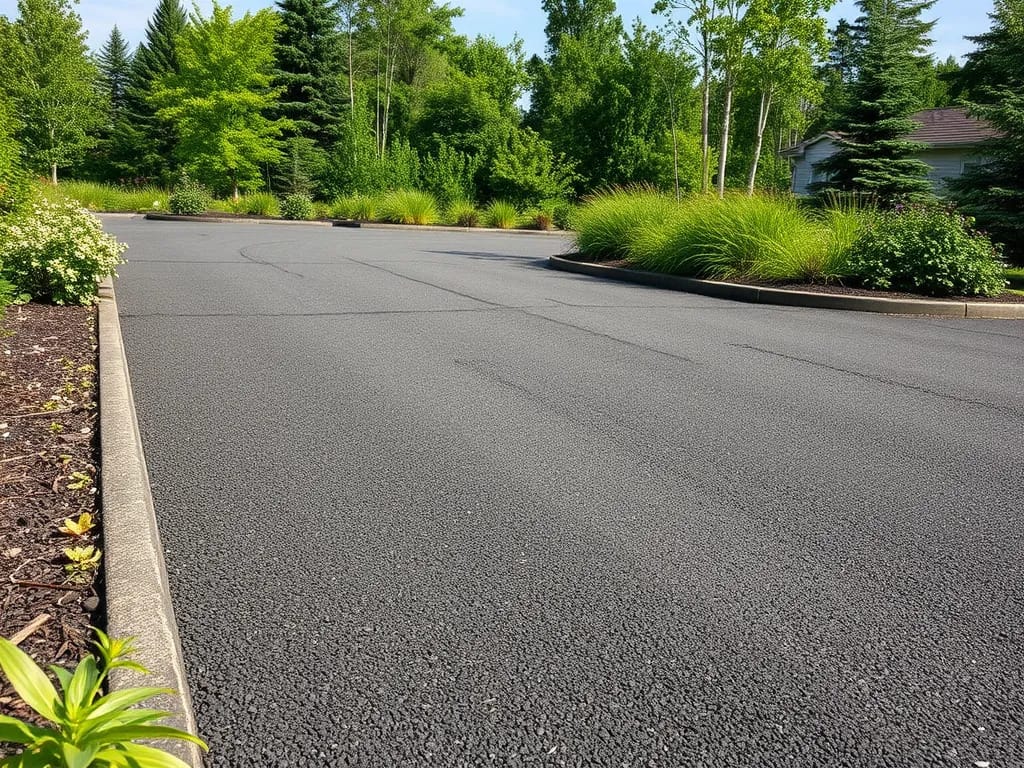
Home › Asphalt Pathways, Sidewalks, and Trails
Connect your property with smooth asphalt pathway paving in Colorado Springs, CO. We build walking paths, bike routes, and multi use trails for parks, campuses, and neighborhoods, creating accessible, low maintenance routes that are comfortable for pedestrians and cyclists.
Precision Asphalt Colorado Springs provides professional asphalt pathway paving throughout Colorado Springs, CO, Colorado and the surrounding area. Our licensed, insured crew delivers safe, clean, on-time work with a free estimate before anything begins. Call (719) 722-2508 or request your free quote.
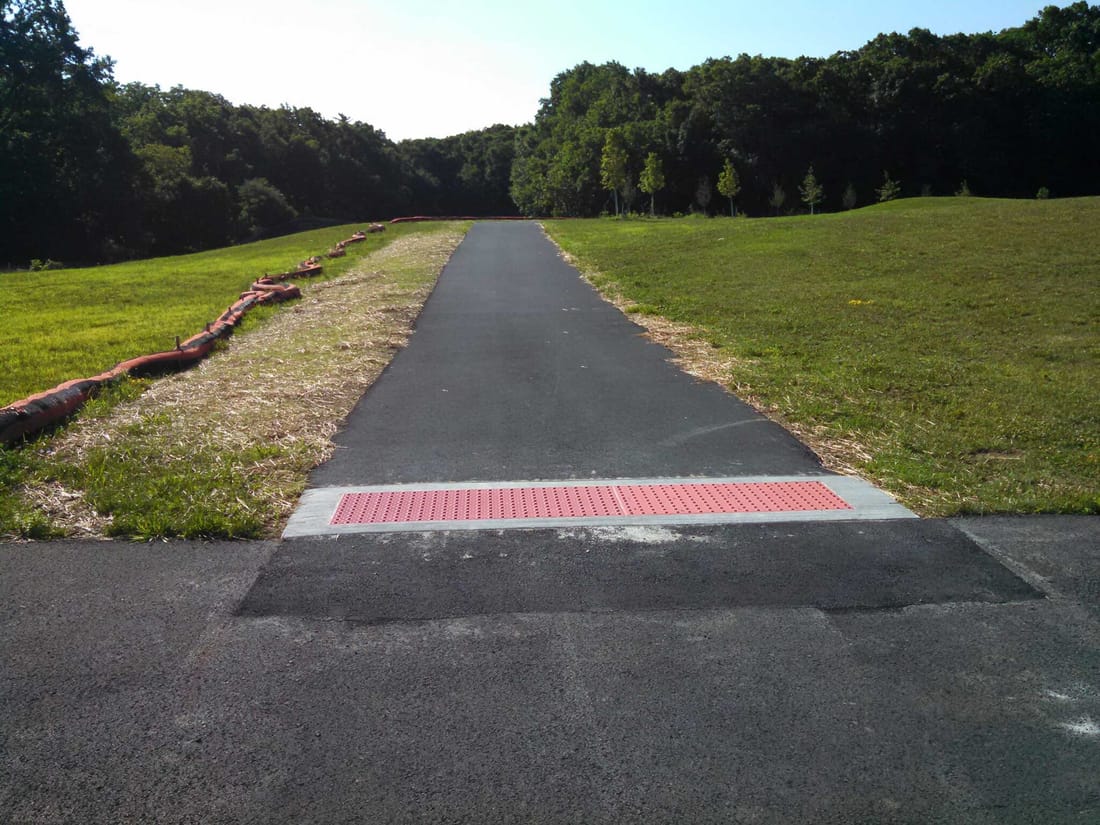
Asphalt Pathways, Sidewalks, and Trails in Colorado Springs
Asphalt pathways, sidewalks, and trails have to do more than just look good. In Colorado Springs they also have to handle freeze-thaw cycles, sun, and foot or bike traffic without breaking apart. Precision Asphalt Colorado Springs focuses specifically on small to mid-size pedestrian projects that need to be smooth, safe, and long lasting.
We build and repair asphalt walking routes for neighborhoods, HOA common areas, apartment and condo communities, schools, business campuses, churches, and city or county open spaces. Whether you need a simple sidewalk between parking and an entry, or a winding walking trail through a greenbelt, we design the pavement structure around how it will actually be used.
When you call Precision Asphalt Colorado Springs, we start by asking how people use the space today and what problems you are trying to solve. Common issues we see locally include heaving from tree roots, trip hazards from sunken concrete panels, drainage that sends water across the path, and older surfaces that turned brittle from UV and winter deicing. Understanding these specifics helps us recommend the right asphalt thickness, base preparation, and edging so you do not keep fighting the same problems every season.
How We Build Long Lasting Asphalt Pathways
A durable asphalt pathway depends on what is underneath it. We begin every project with a site evaluation and soil check. In many Colorado Springs neighborhoods the native soil is expansive clay or a mix of decomposed granite and fill dirt. If we pave directly over that, the pathway will crack and settle quickly. Precision Asphalt Colorado Springs typically excavates 4 to 8 inches below final grade, then installs and compacts a road base aggregate that drains well and resists movement.
Once the subgrade is shaped with the right slopes for drainage, we compact it with a plate compactor or roller in multiple passes, checking with a straightedge for soft spots. Any area that deflects under the roller is reworked so you do not get localized settling later. For pathways that see maintenance vehicles, we may increase the base depth or use a larger aggregate to add load bearing capacity.
After the base passes inspection, we apply a tack coat where we tie into existing pavement so the new asphalt bonds and does not ravel at the joints. Then we lay hot mix asphalt at a controlled thickness, usually between 2 and 3 inches compacted for pedestrian and bike use, thicker for service drives. We use a small paver where access allows, or hand place and then compact with a roller and vibratory plate on tighter paths. Attention to compaction is what keeps water out of the mat and prevents premature cracking.
Design Options for Paths, Sidewalks, and Trails
Pathways are not one size fits all. Around Colorado Springs, some owners want a narrow walking path between homes, while others need multi use trails that handle bicyclists, strollers, and occasional golf carts. Precision Asphalt Colorado Springs helps you choose a width that fits your users and your budget. For strictly pedestrian paths we often recommend 4 feet minimum. For shared use or HOA greenbelt trails, 6 to 8 feet gives more comfortable passing room.
We can form gentle curves that follow the landscape, or straight routes that connect points as efficiently as possible. Curved trails often look more natural in open space or near creeks and detention ponds. Straight sidewalks work best near parking lots, building entrances, and ADA routes. We also discuss transitions where your asphalt pathway meets concrete sidewalks, ramps, or parking areas so wheelchairs and walkers do not hit abrupt edges.
Surface options include standard hot mix asphalt, fine mix for a smoother walking and skating surface, or a slightly more textured mix that offers extra grip where snow and ice are frequent. Color coating is available in some cases for high visibility bike routes or school tracks, and we can stripe centerlines or edge markings for longer trails. Edging choices might include clean cut asphalt edges, steel or plastic landscape edging, or concrete ribbon edges that keep gravel and turf from creeping onto the path.
Weather, Drainage, and Local Conditions
Colorado Springs weather is tough on hard surfaces because of intense sun, rapid temperature swings, and frequent freeze-thaw cycles. If a pathway holds water in shallow puddles, that moisture will freeze, expand, and slowly pry the surface apart. Precision Asphalt Colorado Springs grades pathways with consistent cross slope, usually about 2 percent, so water sheds off to one side rather than collecting in the walking area.
In areas with clay soils we may install a thicker aggregate base to improve drainage so water does not sit underneath the asphalt. On trails that run along slopes or near retaining walls, we often incorporate swales or shallow ditches next to the path to carry water away safely. For longer greenbelt and creekside paths, we pay close attention to low spots where spring snowmelt can create temporary streams across the trail.
Snow and deicing practices also affect pathway life. For heavily used walkways near building entrances, we may recommend a slightly denser asphalt mix that tolerates shoveling and plowing better. We explain which deicers are less harsh on asphalt, and how early spring crack sealing and sealcoating, when appropriate, can keep meltwater out of hairline cracks and extend the life of your walking surfaces. Local experience matters here, because a design that works in a mild climate often fails when exposed to Front Range winters.
Costs, Project Timing, and Common Issues
The cost of asphalt pathway paving depends on several factors: path length and width, access for equipment, how much excavation and base work is required, and any special design features like concrete edging or color treatments. A straight sidewalk along a parking lot with easy truck access typically costs less per foot than a winding trail behind homes where we need to haul material with smaller machines.
Precision Asphalt Colorado Springs walks you through these variables before you commit. If your budget is limited, we can sometimes phase work by building the base and main sections first, then adding branch paths or decorative edges later. For HOA and municipal projects, we can provide clear line item quotes that separate base improvements, paving, and optional upgrades so boards can make informed decisions.
Common issues we plan around include tree roots, utility lids, irrigation lines, and property boundaries. Roots can heave asphalt over time, so we may adjust alignment slightly or recommend root barriers in sensitive areas. Where utilities cross the path, we set lids flush with finished grade and compact around them carefully so they do not sink. We call in utility locates before excavation and coordinate with your landscaper or irrigation contractor to protect lines and repair any necessary crossings. Careful planning up front reduces surprises and change orders once work begins.
What to Expect When You Work With Us
From first call to final walk through, Precision Asphalt Colorado Springs focuses on clear communication and minimal disruption. For residential neighborhoods and HOAs, we provide a simple schedule that boards or managers can share with residents so people know when access will be limited and when surfaces will be usable again. Most pathways are ready for foot traffic within 24 hours, though we may ask you to keep vehicles and heavy carts off for a few days.
Before paving, we mark the layout on the ground so you can see where the pathway will run and request adjustments if needed. During construction, we keep work areas clean and safe, use signage and caution tape where appropriate, and coordinate with property managers on noise and work hours. At completion, we walk the project with you, checking drainage, transitions, and surface quality, and we address any concerns on the spot whenever possible.
We also talk through ongoing maintenance so your investment lasts. That may include a schedule for crack filling and sealcoating, tips on plowing or shoveling without damaging edges, and advice on when to call us about early signs of settlement or cracking. Our goal is not just to lay asphalt, but to give you pathways, sidewalks, and trails that stay attractive and safe for years in Colorado Springs conditions.