Home › Gravel-to-Asphalt Conversions
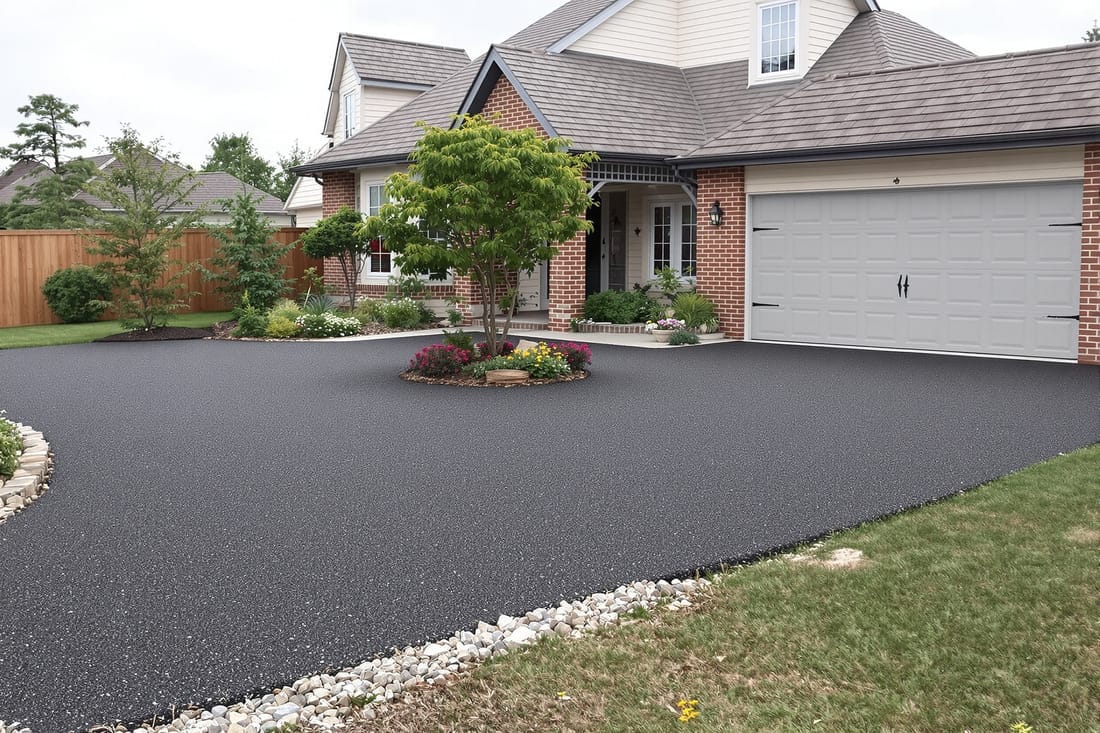
Trade your dusty, muddy drive for a clean, smooth surface with gravel to asphalt driveway conversions in Colorado Springs, CO. We reshape and compact your existing drive, add base as needed, then install new asphalt so you get reliable access without ruts, washouts, or constant gravel spreading.
Precision Asphalt Colorado Springs provides professional gravel to asphalt driveway throughout Colorado Springs, CO, Colorado and the surrounding area. Our licensed, insured crew delivers safe, clean, on-time work with a free estimate before anything begins. Call (719) 722-2508 or request your free quote.
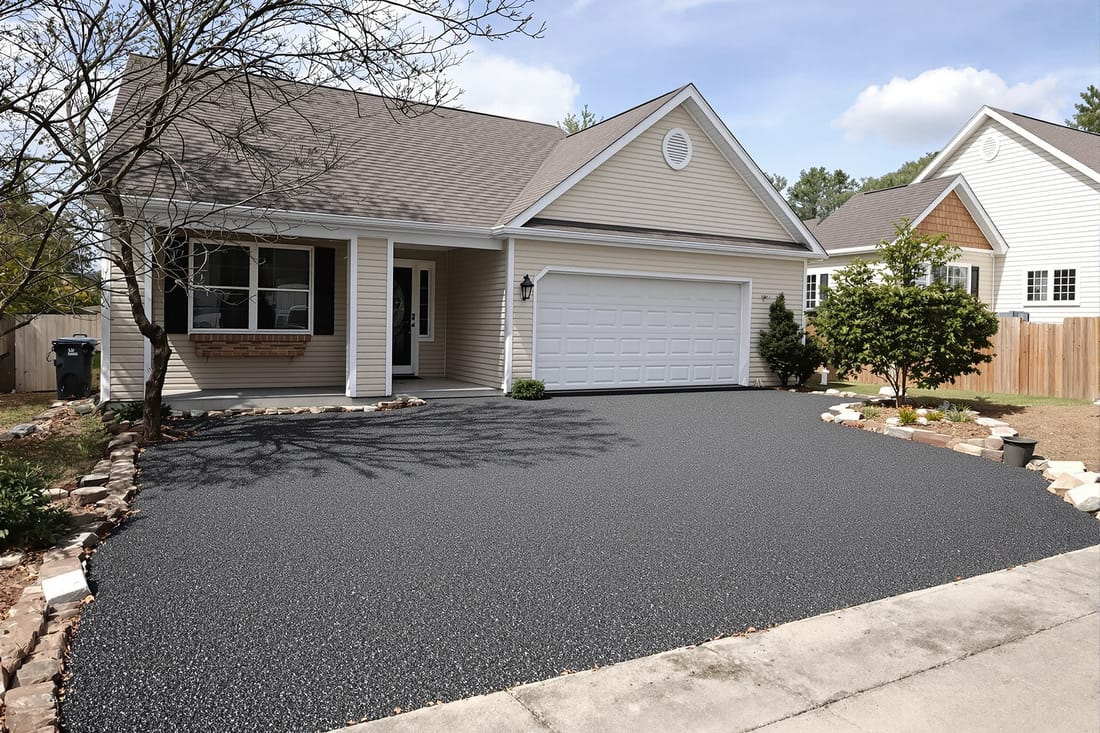
Turn Your Gravel Driveway Into a Smooth Asphalt Surface
A gravel driveway works fine in the short term, but Colorado Springs weather quickly exposes its limits. Ruts form after spring melt, dust coats your vehicles in summer, and loose rock gets pushed into your lawn or garage. A gravel to asphalt driveway conversion gives you a clean, stable surface that is easier to drive on, plow, and maintain all year.
Precision Asphalt Colorado Springs focuses specifically on gravel-to-asphalt conversions in neighborhoods from Briargate and Falcon to Security-Widefield and the west side. We understand local soils, drainage issues coming off the Front Range, and how freeze-thaw cycles affect your driveway. Our goal is to take what you already have, correct what is underneath, and give you a finished asphalt driveway that feels like it has always been there.
Every project starts with a walk-through, not a guess from a satellite photo. We look at how water currently moves across your gravel, where vehicles actually park and turn, and how close your driveway is to the street, sidewalk, and any city right-of-way. That information shapes the design and scope so you receive a driveway that works with your property instead of fighting it.
How We Convert Gravel to Asphalt, Step by Step
A successful gravel to asphalt driveway conversion is mostly about what happens below the black surface. At Precision Asphalt Colorado Springs, we follow a detailed process so the new pavement does not shift, crack, or rut a year later.
1. Site evaluation and measurements: We measure the width, length, slopes, and note soft spots, standing water, and rutting. If needed, we can arrange a soil proof roll, which means driving a loaded truck over the area to spot weak subgrade.
2. Grading and base repair: Most gravel driveways need reshaping. We bring in grading equipment to smooth ruts, cut down high spots, and raise low areas. Where the subgrade is soft, we excavate and rebuild with compacted road base (Class 6 or similar) tailored for our local conditions.
3. Compaction: Using plate compactors and rollers, we compact the existing gravel and any added base in thin lifts. Proper compaction is critical in Colorado Springs, where clay pockets and moisture changes can cause movement. We test visually and mechanically to ensure a firm, unyielding surface.
4. Edge preparation: We define clean edges along turf, landscaping, or existing concrete. In some cases we recommend adding a concrete garage apron or transitions at the street to reduce cracking where asphalt meets rigid surfaces.
5. Asphalt installation: For typical residential driveways, we install a hot mix asphalt surface course, usually 2 to 3 inches compacted, depending on use. For heavier traffic or RV parking we may recommend thicker asphalt or a two-layer system (base course plus surface course).
6. Final compaction and detailing: A steel drum roller completes the finish, tying the asphalt together into one uniform mat. We check transitions at the street and garage, verify drainage, and hand-finish any tight corners.
7. Cleanup and access: We clean up loose rock and construction debris along the shoulders and talk you through curing and use guidelines, so you know exactly when cars, trucks, and trailers can safely use the new driveway.
Local Conditions That Affect Your Gravel-to-Asphalt Driveway
Colorado Springs geology and climate create specific challenges that must be addressed when converting gravel to asphalt. Ignoring them is why some driveways fail early.
Our area has a mix of sandy and clay-rich soils. In places like Black Forest or out toward Peyton you may have deep, loose material that needs more base thickness for support. In central or older neighborhoods you may have hard pan under a thin gravel layer, which changes how we grade and compact.
Elevation and freeze-thaw cycles are also important. Our winters cause the top layers of soil to expand and contract. That movement will telegraph into your asphalt if the base is not well compacted and well drained. We design your gravel to asphalt driveway with a slight crown or fall so water sheds to the sides instead of pooling and soaking in.
Drainage from neighboring lots, downspouts that dump onto the driveway, and snow plow paths all influence how we design the grade and where we recommend berms or drainage swales. Precision Asphalt Colorado Springs looks at the whole picture, not just the strip we are paving, so the new asphalt works with your property through every season.
If your property sits inside Colorado Springs city limits or in certain unincorporated areas of El Paso County, we also consider right-of-way and sidewalk rules. If the driveway ties into a city street or crosses a sidewalk, we match slopes to help keep snowmelt from refreezing at the public walkway and to avoid conflicts with local standards.
Design Options for Your New Asphalt Driveway
A gravel to asphalt driveway conversion is a chance to improve layout, not just change the surface. Many homeowners choose to slightly widen or adjust the shape when they upgrade so daily use and snow removal are easier.
Layout adjustments can include widening at the garage so doors can open without dropping onto landscaping, adding a small parking pad for a trailer or extra vehicle, or softening tight curves that are difficult to navigate in winter. When space allows, we also recommend gentle transitions instead of sharp corners, which helps prevent edge cracking.
For finish appearance, most residential driveways receive a standard black asphalt surface, but we can also plan for a future sealcoat once the asphalt has cured (usually after the first season). Sealcoating deepens color, provides some protection from UV, and helps the surface shed water, which is useful at our elevation.
Where driveways meet walkways or patios, we coordinate with any existing concrete or pavers to create clean joints. In neighborhoods with HOAs, Precision Asphalt Colorado Springs can help you document the proposed size, layout, and color to meet appearance guidelines and obtain approvals before work begins.
If you have heavier vehicles, such as work trucks or an RV, mention that early. We can adjust asphalt thickness, base depth, and even recommend reinforced concrete sections in specific high-load areas while keeping the rest of the driveway asphalt for cost balance.
What Drives the Cost of a Gravel-to-Asphalt Conversion
Different gravel driveways in Colorado Springs require different levels of work to become durable asphalt, so pricing varies. Understanding what drives cost helps you compare quotes fairly.
Key factors include:
• Size and layout: Longer or wider driveways cost more simply due to material and time. Tight access, steep grades, or complex shapes increase labor because equipment movement is slower and more precise.
• Base condition: If your gravel is already deep, well compacted, and mostly rut free, less rebuilding is needed. If there are soft spots, standing water, or thin gravel with exposed clay, we must add and compact more base. This work adds cost, but it is what allows the asphalt to last.
• Required thickness: Light-use residential driveways may be fine with a standard 2 to 3 inch compacted asphalt layer. Heavy use or RV parking may require thicker asphalt or a base layer plus surface layer system.
• Access and haul distances: Rural properties east or north of town can involve longer hauls for asphalt and base material, which affects cost. We plan deliveries carefully because hot mix asphalt must arrive and be placed while it is still within temperature specs.
Precision Asphalt Colorado Springs provides written estimates that separate base work from paving work when possible, so you can see where your investment is going. We will also tell you where it makes sense to save and where cutting corners would shorten the life of your new driveway.
Common Problems and How We Prevent Them
Many issues people see in older asphalt driveways started with the gravel base. When we convert a gravel to asphalt driveway, we look specifically for the warning signs that lead to future problems, then correct them before paving.
Rutting and depressions usually indicate weak subgrade or thin gravel in high-traffic lanes. We cut out those areas, add quality road base, then compact in lifts to eliminate movement. This reduces the risk of tire ruts reappearing through the asphalt.
Standing water on or next to the driveway tells us the existing grade is off. In Colorado Springs, puddles quickly become ice in winter. We regrade so water drains to grass or swales, not toward your garage or front door. When runoff crosses sidewalks or ties into the street gutter, we adjust slopes to help keep meltwater from refreezing in public areas.
Edge cracking often happens where gravel shoulders are too soft. We compact the shoulders and, when needed, recommend adding a narrow band of base rock along the sides of the new asphalt so the edges have support instead of hanging in the air.
Where a driveway meets a concrete garage floor or city sidewalk, reflective cracking is common if the joint is not handled correctly. Precision Asphalt Colorado Springs carefully matches elevations, compacts tightly at the joint, and in some cases adjusts thickness so the asphalt meets rigid surfaces cleanly and with less stress over time.
What to Expect When You Hire Precision Asphalt Colorado Springs
Converting your gravel driveway to asphalt is usually a short, focused project, not a long construction ordeal. Most residential jobs in Colorado Springs are completed in one to two days once work begins, depending on base repairs and weather.
Before work starts we confirm the layout with you on site, clearly mark the driveway edges, and review access needs for your vehicles, deliveries, and trash pickup. If HOA approval is required, we can provide scope details, diagrams, and material descriptions to support your application.
During construction we manage deliveries of base rock and asphalt so your neighborhood is impacted as little as practical. You will see grading equipment, rollers, and trucks moving in and out. We keep you informed about short periods when you cannot drive in or out and help you plan around them.
After paving, most driveways can handle light foot traffic the same day and vehicle traffic within 24 to 48 hours, with some variation based on temperature. We provide written care instructions that explain how to treat the surface for the first few months, how to avoid scuffing on hot days, and when to consider sealcoating.
When the job is finished, you will have a smooth, predictable asphalt driveway where loose gravel and mud used to be. Precision Asphalt Colorado Springs stands behind our work and is available if you have questions about maintenance, snow removal practices, or future additions or modifications to your new paved surface.