Home › Industrial and Heavy-Duty Asphalt Paving
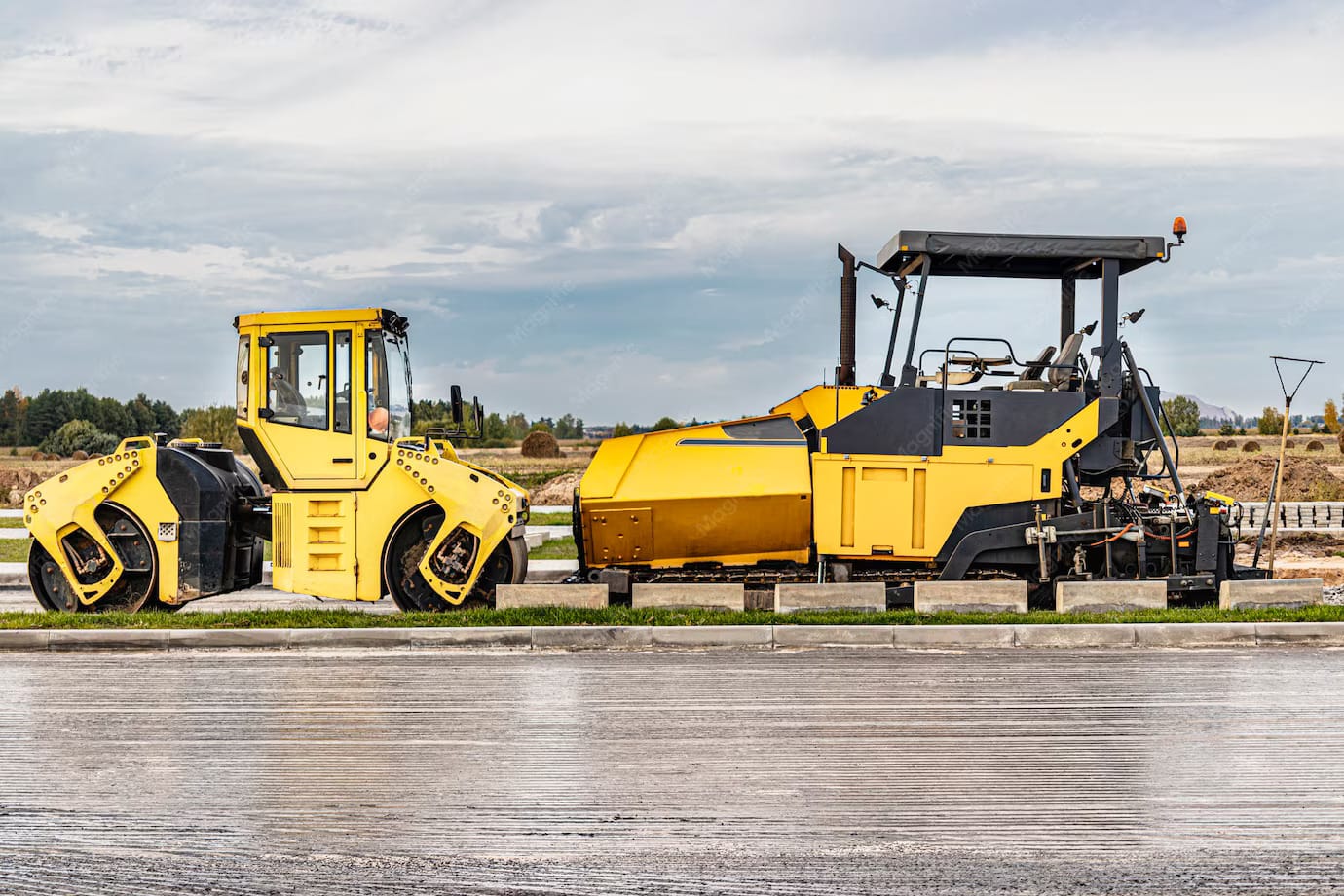
Handle heavy loads with confidence using industrial asphalt paving in Colorado Springs, CO. We design and build thick section pavements for truck yards, loading docks, and warehouses, using proper base, compaction, and mix design to resist rutting and damage from constant traffic.
Precision Asphalt Colorado Springs provides professional industrial asphalt paving throughout Colorado Springs, CO, Colorado and the surrounding area. Our licensed, insured crew delivers safe, clean, on-time work with a free estimate before anything begins. Call (719) 722-2508 or request your free quote.
Industrial Asphalt Paving Built for Colorado Springs Conditions
Industrial and heavy-duty asphalt paving in Colorado Springs is a specialized discipline, not just a thicker parking lot. At Precision Asphalt Colorado Springs, we design pavements that stand up to loaded semis, forklifts, and constant turning traffic in our freeze-thaw climate. That means engineering every project around your specific traffic patterns, subgrade conditions, and drainage, not a one-size-fits-all section pulled from a generic spec book.
Our industrial clients range from distribution centers along I-25 and Powers Boulevard to smaller machine shops and manufacturing yards on older concrete or gravel bases. Many of these sites were never designed for today’s truck volumes or axle weights, which is why rutting, pumping at joints, and potholes keep coming back. We address the root causes with structural design, base reconstruction where needed, and careful attention to how water moves on and under your pavement.
When you call Precision Asphalt Colorado Springs for industrial asphalt paving, you get a project that is planned around your operations schedule, your heaviest loads, and the realities of El Paso County soils and weather. Our goal is simple: after we build it, you do not have to think about your pavement again except for routine maintenance.
Site Evaluation and Pavement Design for Heavy Loads
Effective industrial asphalt paving starts with a detailed evaluation, not with a paver rolling off a trailer. We begin with a walkthrough of your property, noting where trucks queue, where they turn sharply, where forklifts cross dock aprons, and where water already ponds or flows. We often see older industrial yards in Colorado Springs that were built on native fill with minimal compaction, which is why they show alligator cracking and settlement around catch basins.
If the project size and loading justify it, we recommend geotechnical testing or at least test pits to verify subgrade strength and existing base thickness. This is especially important in areas east of downtown where clayey soils can hold water and lose bearing capacity during spring thaws. Based on these findings, Precision Asphalt Colorado Springs designs a pavement structure that may include full-depth asphalt, asphalt over aggregate base, or asphalt over stabilized base.
Design decisions are driven by expected ESALs (equivalent single axle loads), forklift traffic, and whether loads are static or moving. For example, a truck scale approach lane or a loading dock approach typically needs thicker asphalt and sometimes a high-stability mix compared to general drive lanes. We also consider whether your site has chemical exposure, such as fuel or oil, and may adjust binder selections or surface treatments accordingly.
Industrial Asphalt Paving Process: From Subgrade to Final Roll
Once the design is set, our industrial asphalt paving process follows a strict sequence so the finished pavement can handle heavy-duty service.
Subgrade preparation: We strip unsuitable material, correct soft spots, and regrade for drainage. In some older Colorado Springs industrial parks, we encounter mixed fill from past construction. Where the subgrade pumps under compaction or after rain, we may undercut and replace with structural fill or use geotextile separation to keep fines from migrating into the base.
Base installation: We install and compact aggregate base course (ABC) to the designed thickness, often 6 to 12 inches or more for truck yards. We compact in multiple lifts with vibratory rollers and perform density checks so the base does not settle under repeated loading. In areas with frequent turning trucks, we pay tight attention to cross-slope transitions so water does not sit and accelerate surface wear.
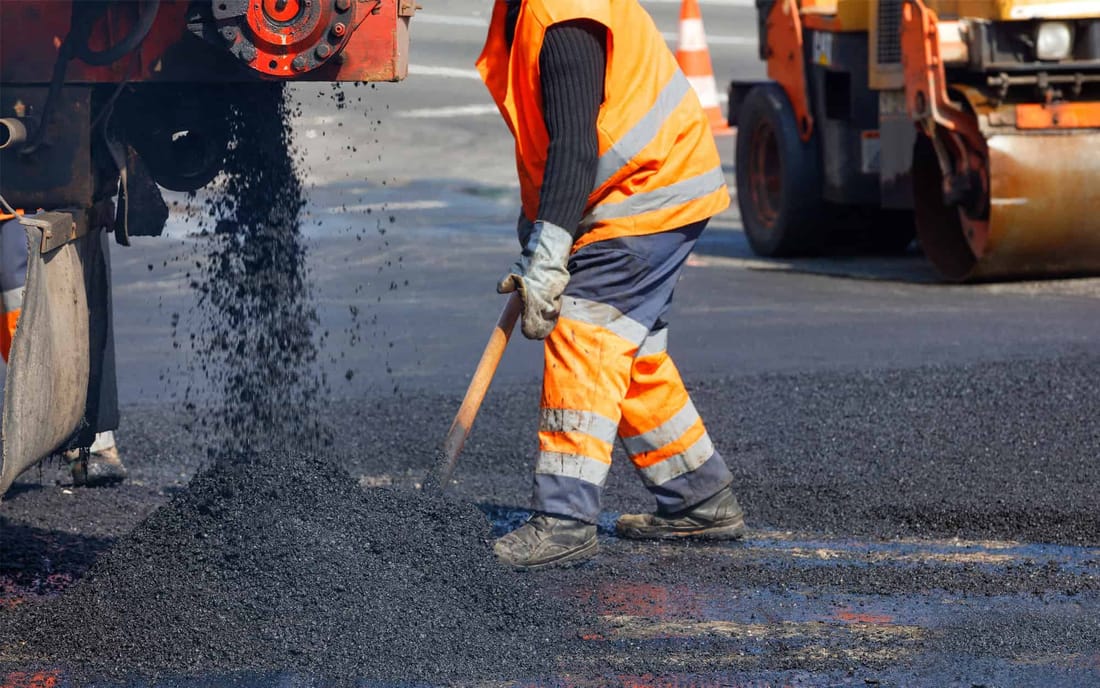
Asphalt placement: For heavy-duty projects, Precision Asphalt Colorado Springs typically installs asphalt in two or three lifts: a base course, an intermediate (binder) course when specified, and a surface course. We use heavy-duty mixes with higher crushed aggregate content and performance-graded binders suited to Colorado’s temperature range. Joints are carefully staggered and compacted to prevent early cracking under truck traffic.
Compaction and finishing: Rolling patterns are established to achieve target densities, since under-compacted asphalt is one of the leading causes of rutting and premature failure in industrial yards. We coordinate truck staging and paver speed so the mat stays at the right temperature, even during cooler mornings in spring and fall, which are common paving seasons in Colorado Springs.
Material Options for Heavy-Duty Pavements
Industrial asphalt paving is not limited to one standard mix. Precision Asphalt Colorado Springs helps you choose materials based on performance demands and budget.
Mix types: For heavy truck lanes, we typically recommend high-stability mixes with a high percentage of angular crushed aggregate to resist rutting. In loading dock aprons and intersections where trucks turn sharply, we may use a stiffer binder and a slightly thicker surface course. For less critical storage areas, a conventional commercial mix may be appropriate to contain costs while still providing adequate performance.
Full-depth vs asphalt over base: Full-depth asphalt (multiple lifts of asphalt with no aggregate base) can be a good option where subgrade is strong and moisture is controlled, such as some west-side industrial parcels with well-draining soils. Where subgrade is weaker or moisture is a concern, an engineered aggregate base under asphalt often performs better and costs less than simply adding more asphalt.
Reinforcement and edge treatment: In certain industrial yards, especially where asphalt transitions to gravel storage areas or rail spurs, we may recommend edge reinforcement or thicker edge sections to prevent breaking and unraveling. We also look at tie-ins to existing concrete dock slabs or pads and use proper saw cutting, tack coating, and sometimes doweling to keep those transitions from failing under wheel loads.
What Drives the Cost of Industrial Asphalt Paving
Cost for industrial asphalt paving in Colorado Springs is primarily controlled by structure thickness, site preparation, and operational constraints.
Thickness and materials: Heavy-duty sections with multiple asphalt lifts and thicker aggregate base will cost more initially, but they nearly always provide a lower life-cycle cost for facilities with frequent truck traffic. Using performance-graded binders or high-stability mixes is slightly more expensive than basic commercial mix but reduces the risk of rutting in hot summer afternoons when surfaces can reach high temperatures.
Site conditions: Poor subgrade, buried debris, limited access, and drainage corrections all add to the scope. Many legacy industrial sites in Colorado Springs were built in phases, so we often find variable base thicknesses and unexpected underground obstructions. We make these risks clear in the proposal and, when possible, investigate ahead of time so fewer surprises hit your budget later.
Phasing and downtime: Keeping your operation running can impact cost. Night or weekend work, partial closures, and accelerated schedules may require additional crews or equipment so we can place and compact asphalt within temperature windows. Precision Asphalt Colorado Springs works with you to balance schedule, access, and cost, and we will outline any premium associated with off-hour work before you commit.
Common Industrial Pavement Problems and How We Prevent Them
Industrial pavements in Colorado Springs typically fail for predictable reasons, and we design and build to avoid them.
Rutting in truck lanes: This is often caused by inadequate thickness or under-compaction. Our designs use appropriate structural sections, and our crews follow strict rolling patterns and temperature controls. In high-risk areas like truck scales and stop-and-go gateway lanes, we may increase thickness or use a stiffer surface mix.
Alligator cracking and potholes: These are usually signs of base or subgrade failure, not just surface wear. Instead of simply patching the surface, we saw cut, excavate to stable material, rebuild the base, and reinstall asphalt in lifts. This approach, though more involved, keeps the same spot from failing every winter.
Drainage-related damage: Standing water magnifies freeze-thaw damage. On many Colorado Springs industrial sites, we correct grades so water flows to inlets or off the pavement, and where slope adjustments are limited by existing buildings or rail lines, we may add surface drains or trench drains. We also seal around utility lids and inlets to keep water from infiltrating and weakening the substructure.
Fuel and chemical exposure: In fueling areas or loading zones where oils are common, we may specify more frequent sealcoat cycles or, in some cases, concrete pads within an asphalt yard to localize chemical exposure and preserve the surrounding asphalt.
Planning, Permitting, and Working Around Your Operations
Industrial asphalt paving projects often touch public access points, fire lanes, and high-security areas. Precision Asphalt Colorado Springs coordinates with local requirements in Colorado Springs and El Paso County so your pavement improvements do not create compliance issues.
Where your project impacts public right-of-way or requires modified access, we can assist with traffic control plans and any necessary coordination with the city. Inside your property, we help map out phasing so employees, trucks, and emergency services can still reach key areas while sections are under construction.
Before work starts, we review your peak times for inbound and outbound trucks, dock schedules, and any on-site safety protocols. For facilities such as distribution centers near the Colorado Springs Airport or along major corridors, we often stage work in tight windows between shift changes or during planned downtime, with clear striping and signage installed immediately after paving so operations can resume safely.
At turnover, we provide guidance on initial cure periods before allowing heavy traffic, recommended maintenance intervals for industrial environments, and any special considerations tied to your specific loads or exposure. The goal is not only to install heavy-duty asphalt, but to integrate it smoothly into how your facility actually runs every day.